P.A.R.T.S. IS A SCHOOL FOR CONTEMPORARY DANCE.
IN THE BACHELOR TRAINING CYCLE IT PROVIDES IN-DEPTH TECHNICAL TRAINING.
IN THE CONTINUING MASTER STUDIOS CYCLE THE FOCUS IS FULLY ON THE YOUNG MAKER.
P.A.R.T.S. MAKES NO DISTINCTION IN ITS PROGRAM BETWEEN DANCERS AND CHOREOGRAPHERS. THE SCHOOL HELPS YOUNG PEOPLE DEVELOP INTO INDEPENDENT AND CREATIVE ARTISTS.
DANCE IS NOT AN ISOLATED ART FORM.
P.A.R.T.S ALWAYS MAKES THE LINK WITH THE OTHER (PERFORMING) ARTS AND MAKES THE BRIDGE TO THE WORLD. ABOVE ALL, DANCE IS A LIVING ART, IN THE HERE AND NOW, IN DIALOGUE WITH THE AUDIENCE. THE DANCER AND THE MAKER ARE PERFORMERS, BUT ALSO THINKING PERFORMERS.
P.A.R.T.S. LOOKS FOR STRONG INDIVIDUALS who yet possess a sense of group dynamics.
HISTORY
P.A.R.T.S. was founded in 1995, with the intention to provide a pedagogical anchoring for contemporary dance in Belgium, which had started in the early 1980s and had seen a quick and strong development since then. At that time, there were only a few institutions in Europe who resolutely focused on these new artistic developments. When Anne Teresa De Keersmaeker became the choreographer in residence at the national opera De Munt/La Monnaie in 1992, one of her ambitions was to answer this lack in educational possibilities for contemporary dance. She was also inspired by Mudra, the school of choreographer Maurice Béjart, where she had been a student herself, and which had moved with Béjart to Switzerland, Lausanne, in 1987.
P.A.R.T.S. is first and foremost an artistic project. The curriculum is based on Anne Teresa De Keersmaeker and other choreographers' extensive artistic practice. At the same time P.A.R.T.S. is a laboratory for the future. Art is not something you can learn, but we certainly hope that the material offered confronts and provokes, that it stimulates students to form their own opinions, that it proves to be a productive basis for their future artistic practice. In a word, P.A.R.T.S. sets out to be a place where critical and creative artistry can take root.
First phase. P.A.R.T.S. started in 1995 with a curriculum of three years, with each year a new group of incoming students. From the start, the school’s horizon was international, and teachers came from companies such as those of Trisha Brown, William Forsythe and Pina Bausch, artists who were considered as the artistic pillars of the program, next to De Keersmaeker’s own work.
The first generation of students graduated in 1998, a group of dancers and choreographers who immediately found work in the main dance companies or attracted public and critical attention with their own creations. P.A.R.T.S. can proudly say that this has become a regular pattern.
Second phase. In 2000, the curriculum was restructured, and P.A.R.T.S. offered two cycles of two years each: the Training Cycle and the Research Cycle, offering students who had trained elsewhere the possibility to enter directly into the Research Cycle. Both cycles started only every two years.
Third phase. In 2011, for the 2012-2016 multi-year plan, the objective was formulated to transform the pedagogical program into a 3+2 structure: a three-year basic cycle and a two-year continuing cycle. In September 2013, the transition to this new structure started. The Training Cycle was extended to three years and incorporates some of the methods and structures that were prominent in the previous Research Cycle. In the period 2015-2018, three pilot programs (of 4, 12 and 16 months) were organized as a continuation cycle under the name Research Studios, in which artistic research was central. This led in 2019 to the creation of a new two-year research program called STUDIOS. From this moment on, the policy objective from 2011 had been realised.
STUDENTS
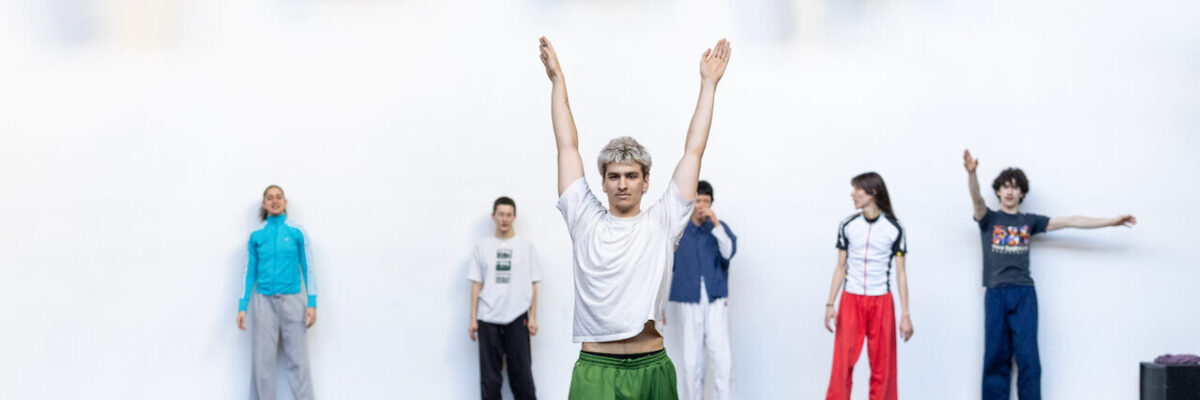
P.A.R.T.S. has a maximum of 50 to 60 students, 40 to 45 in the Training cycle, 10 to 15 in STUDIOS.
Students are selected through auditions, which are organized internationally. The student community usually counts about 25 different nationalities. The main language in the school is English. In terms of mother tongue, the French-speakers form the largest group.
TEACHERS AND TUTORS
P.A.R.T.S. doesn't have teachers who are permanently employed by the school. All teachers work on a freelance basis. Every year, the school's management puts together a new program. Some teachers come back many years in a row, for others it is a unique passage. In this way, the school can stay alert to the latest developments in the field.
To ensure continuity there are two permanent tutors. They follow the progress of the students closely, and they make the bridge between the many different teachers. The current tutors for Training are Diane Madden (US), who danced/worked with the Trisha Brown Company in New York for almost 40 years, and Lise Vachon (CA) former student of P.A.R.T.S. Generation III.
In January 2026, P.A.R.T.S. appointed Gabriel Schenker (BR) as Head of Creative Practice. He will guide the artistic development of the students and strengthen the newly established pedagogical team. Gabriel is a former student of Generation VII and has been involved with P.A.R.T.S. as a guest lecturer, coach and coordinator of the Erasmus+ project on diversity and inclusion.
INFRASTRUCTURE
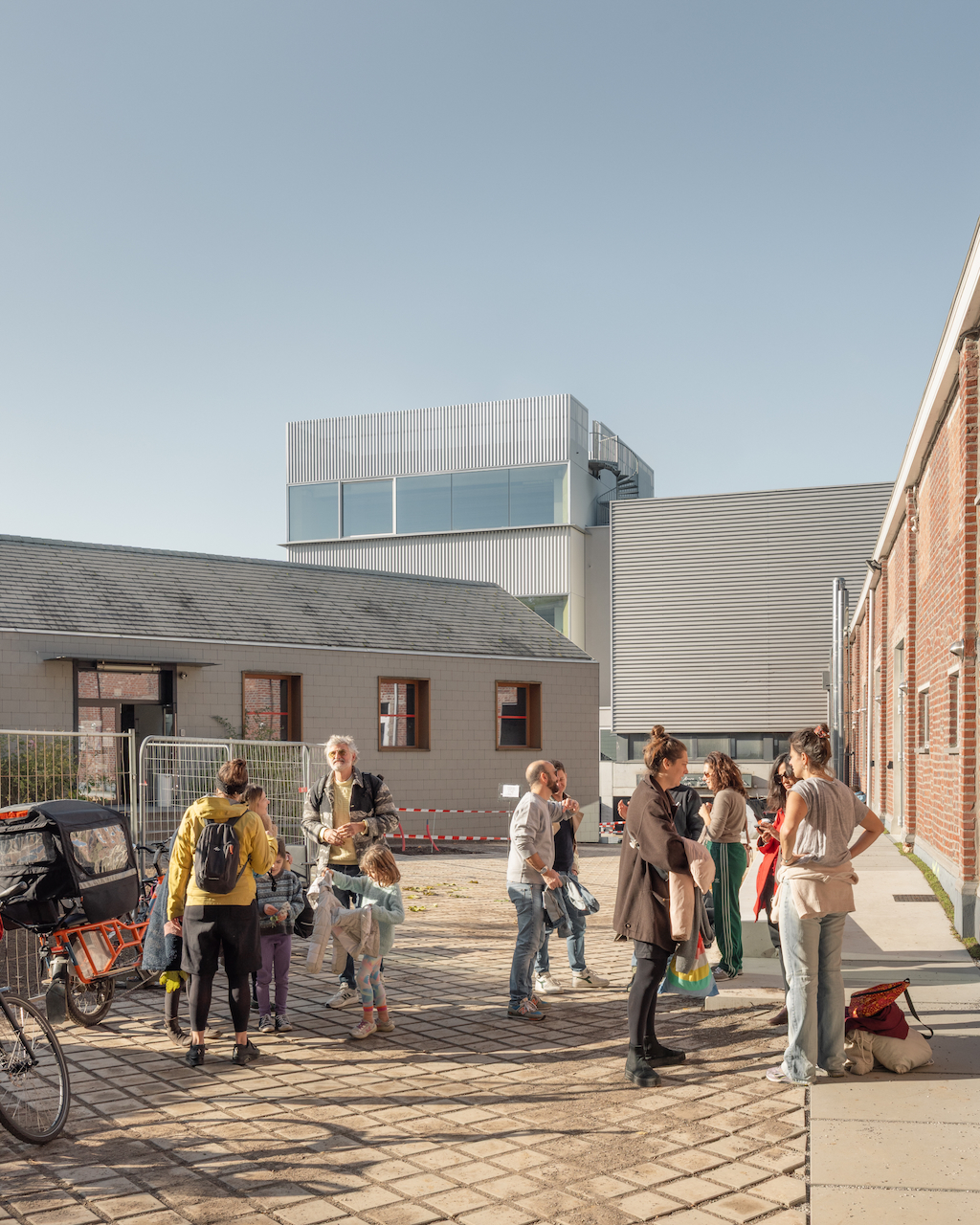
P.A.R.T.S. shares its campus with the dance company Rosas and the contemporary music ensemble Ictus. Together, they have access to several bright, spacious and fully equipped professional studios. Students have free access to the studios outside class hours (6–10 pm), during weekends (10 am–7 pm) and throughout most school holidays.
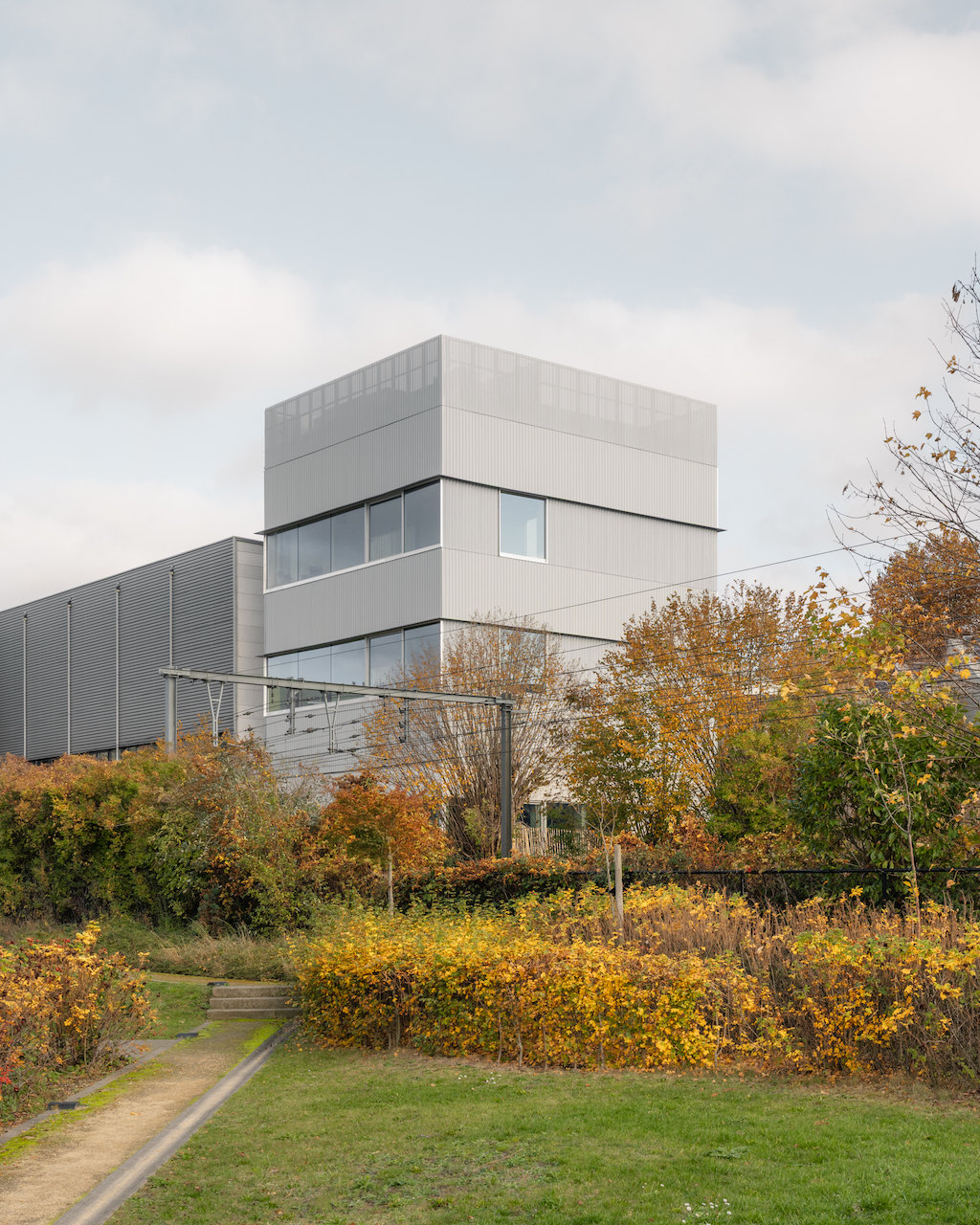
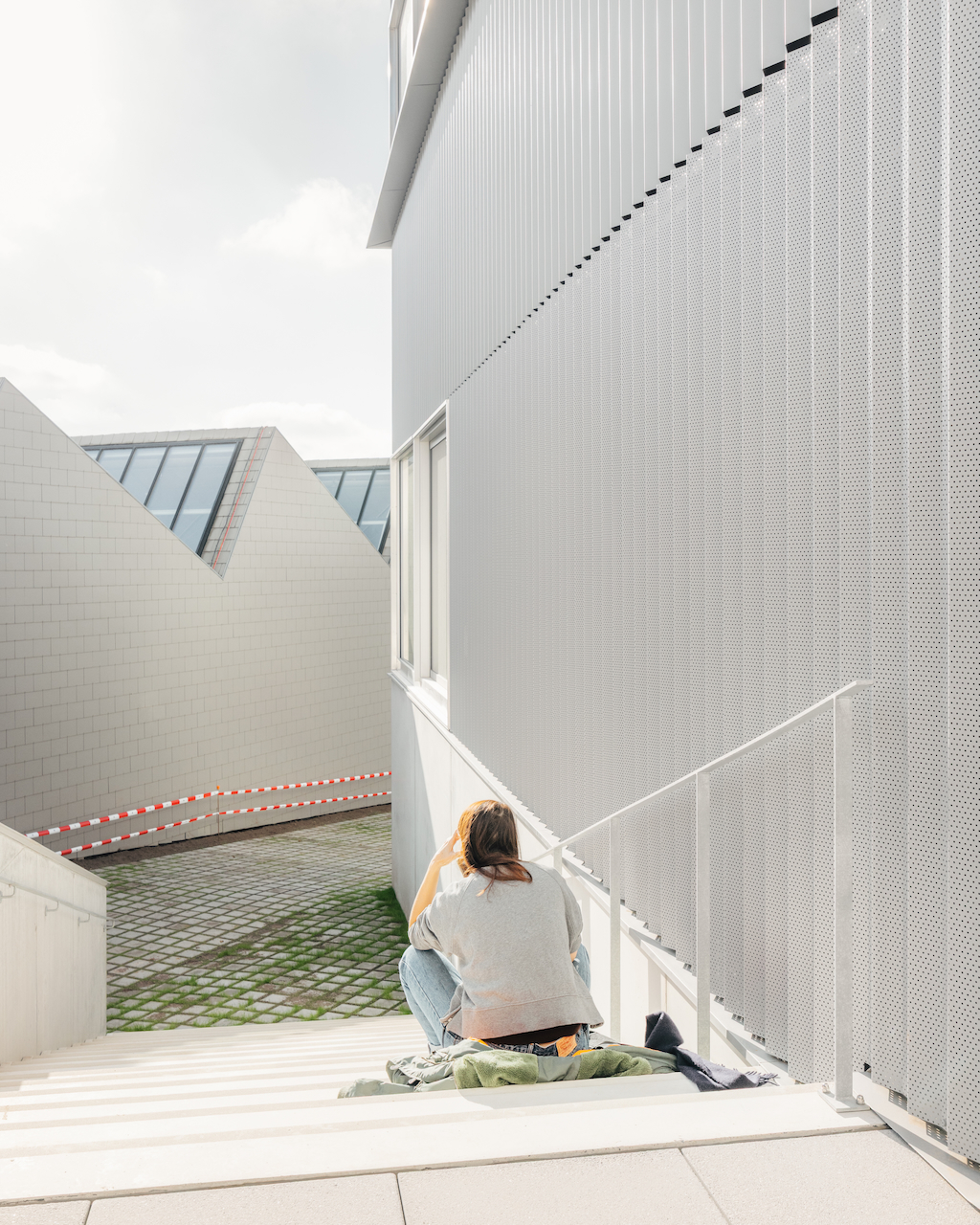
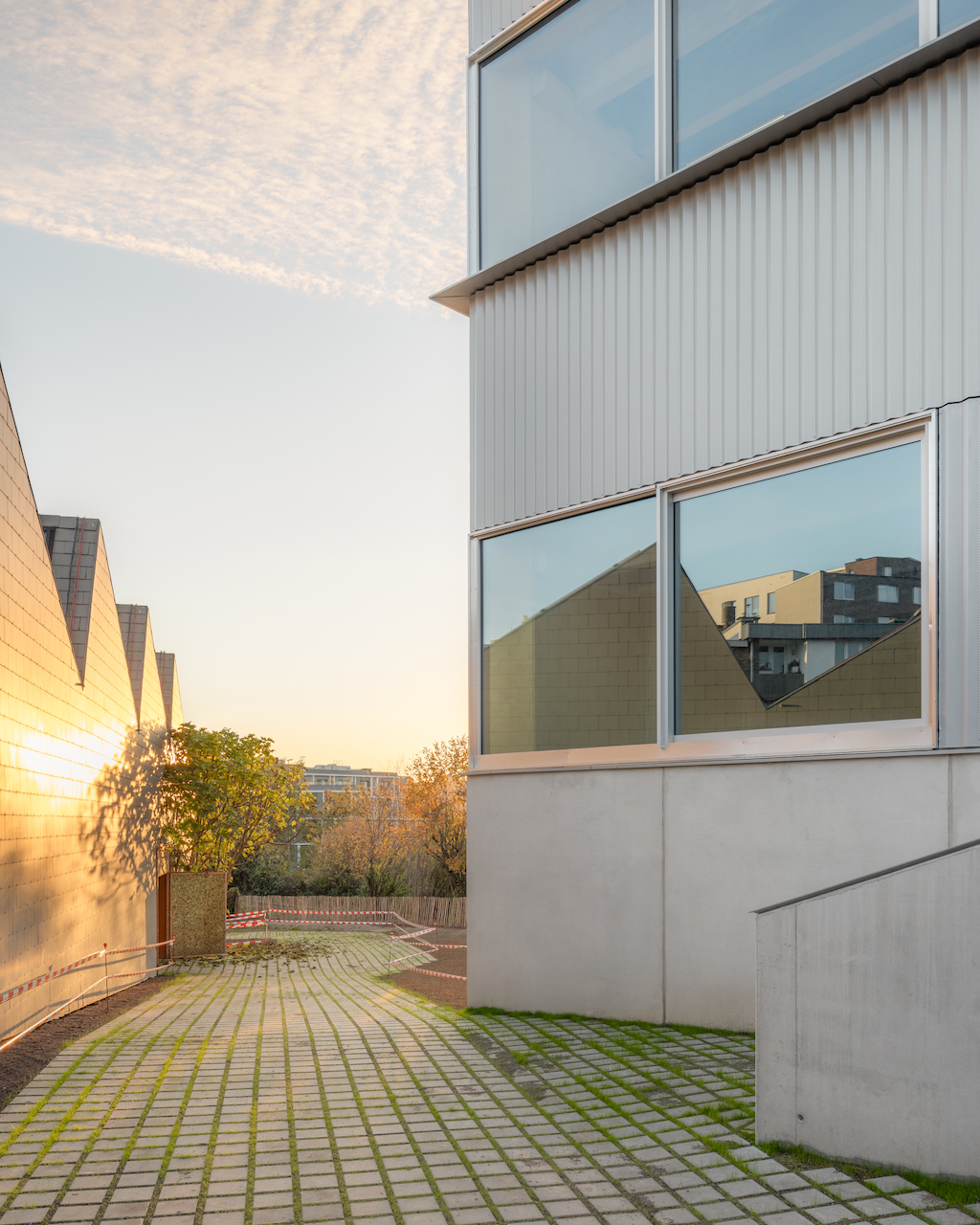
During the 2025–2026 academic year, major infrastructure works led by Vers.a and the architects of Ouest were completed. For P.A.R.T.S., this included the construction of a new tower with three stacked studios. A completely new wing was developed for Ictus, while Rosas gained much-needed additional storage space.
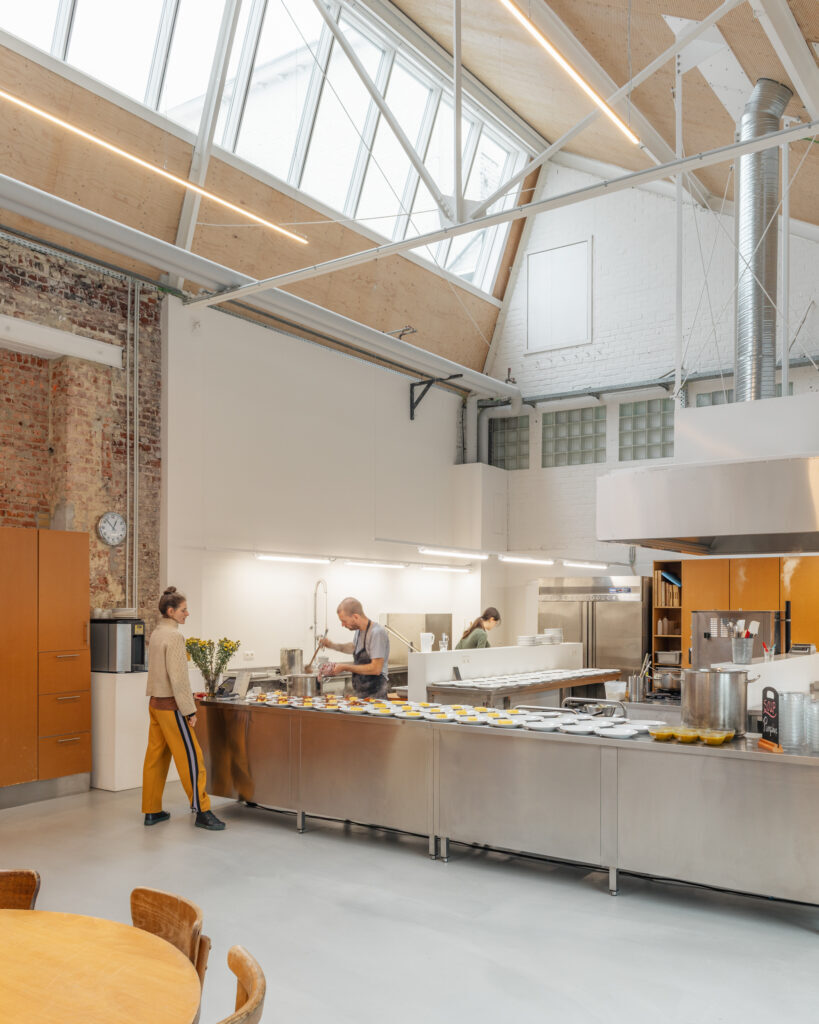
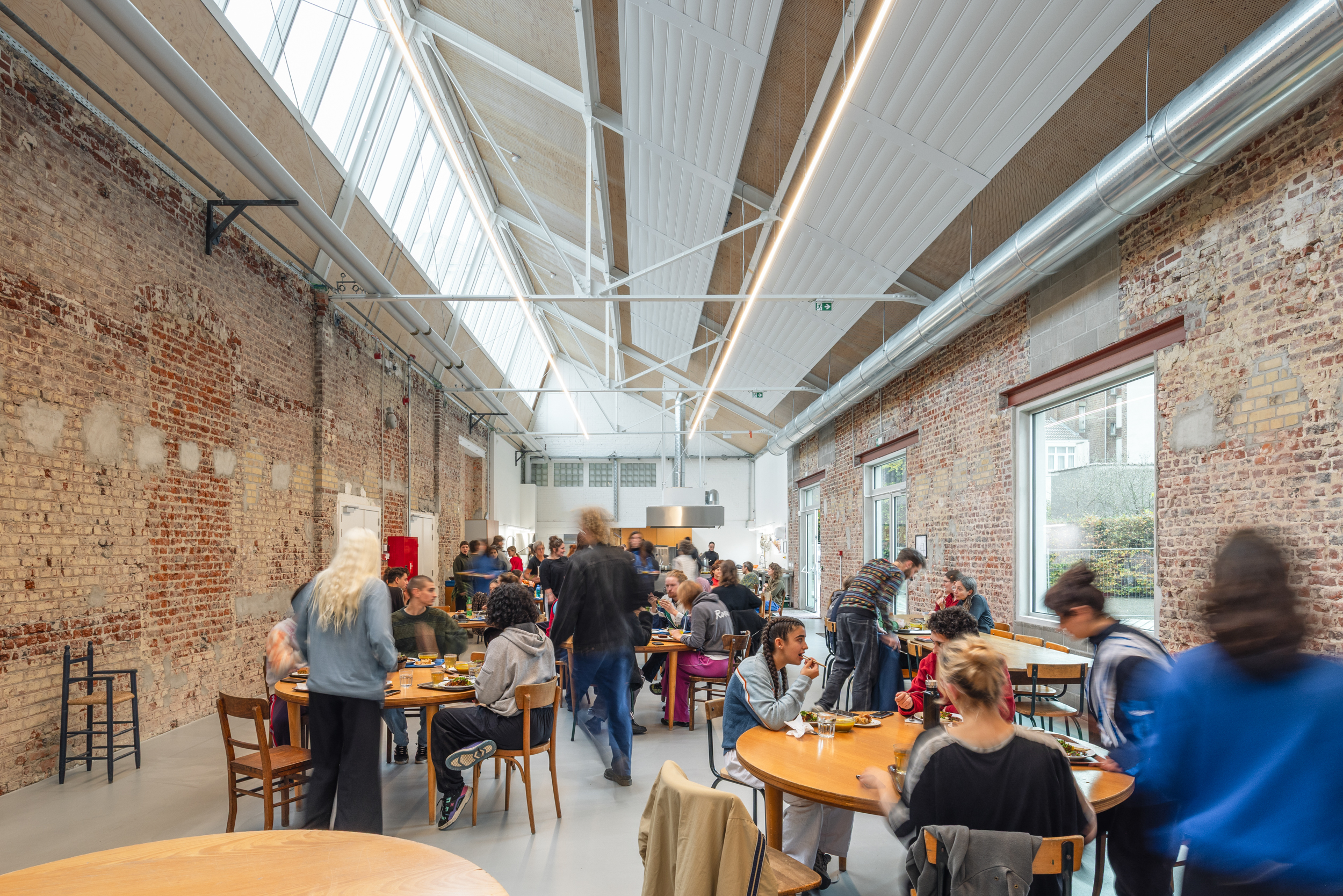
The infrastructure works also resulted in a second, smaller presentation venue (with a capacity of up to 100 spectators), complementing the large Rosas Performing Space (400 spectators). In addition, the campus now offers updated facilities for audiences, including a permanent foyer and a new kitchen shared by all campus users.
The official reopening took place in January and February 2026 with the 164VANVOLXEM Opening Festival.
Photos: Corentin Haubruge / Ouest.